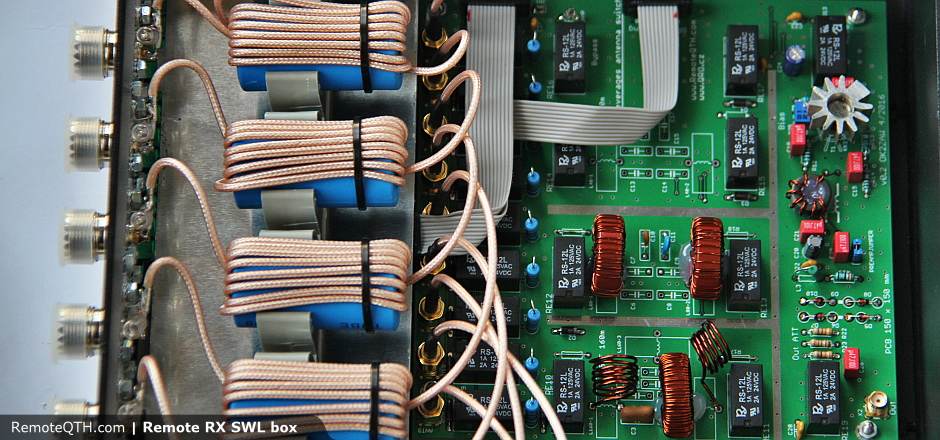
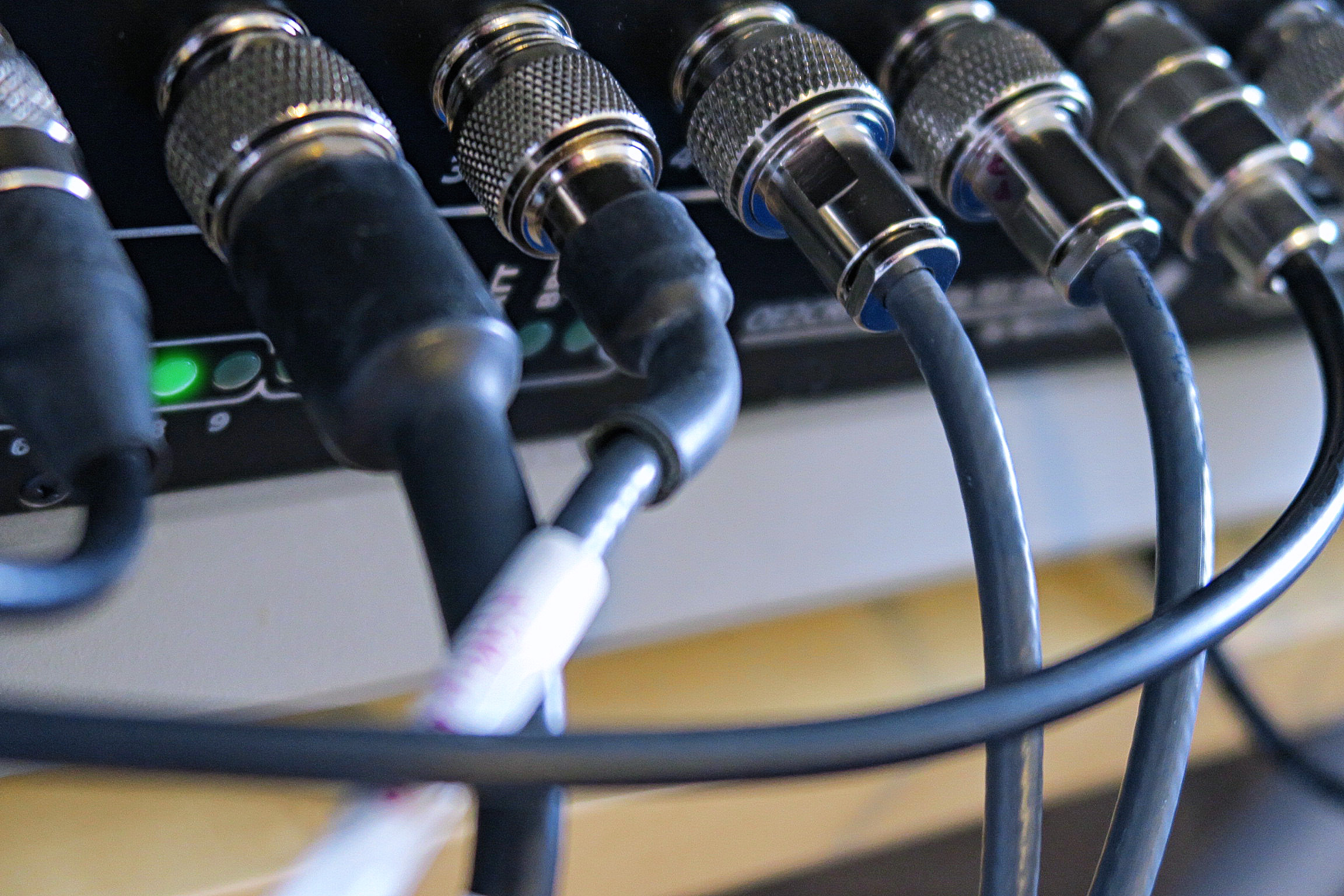
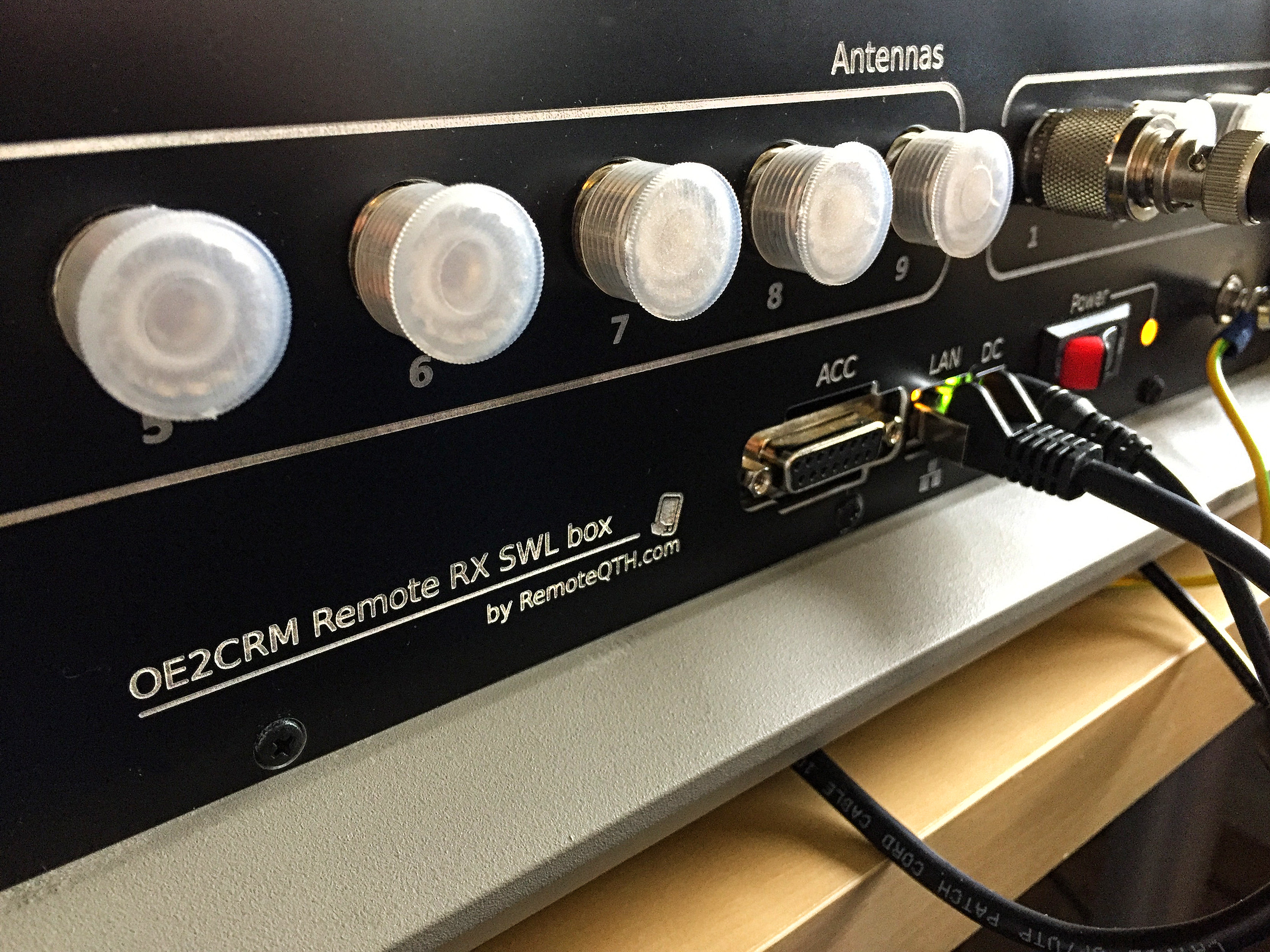
I have been using my “SWL BOX” for 10 years now. It is an antenna distributor/filter/preamplifier combination that was custom-built for me, can be remotely controlled via the network and also uses protection filters. A perfect product from Jan Šustr’s Hamparts_shop. Good quality simply pays off! Thank you, Jan Šustr, for this important control unit for my station.
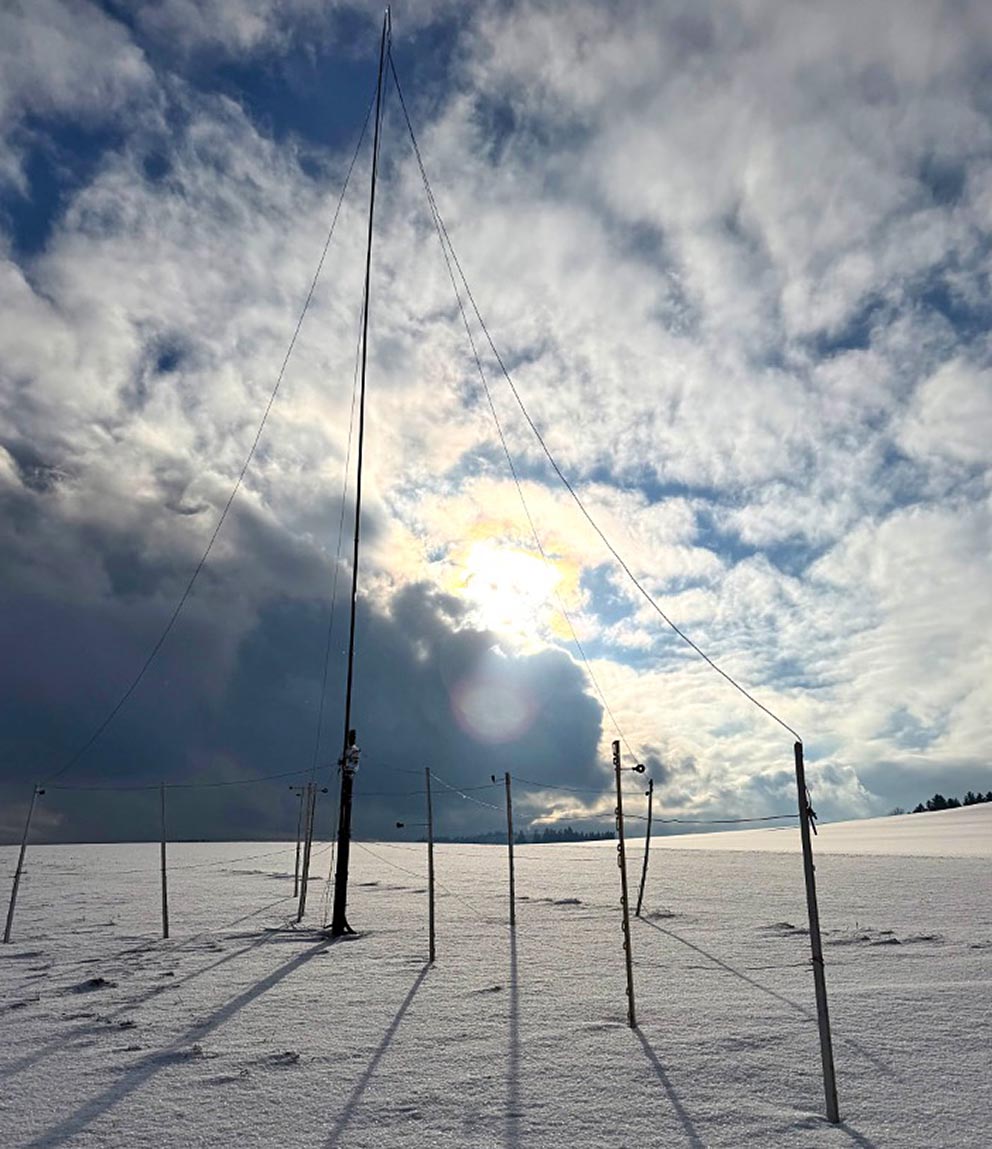
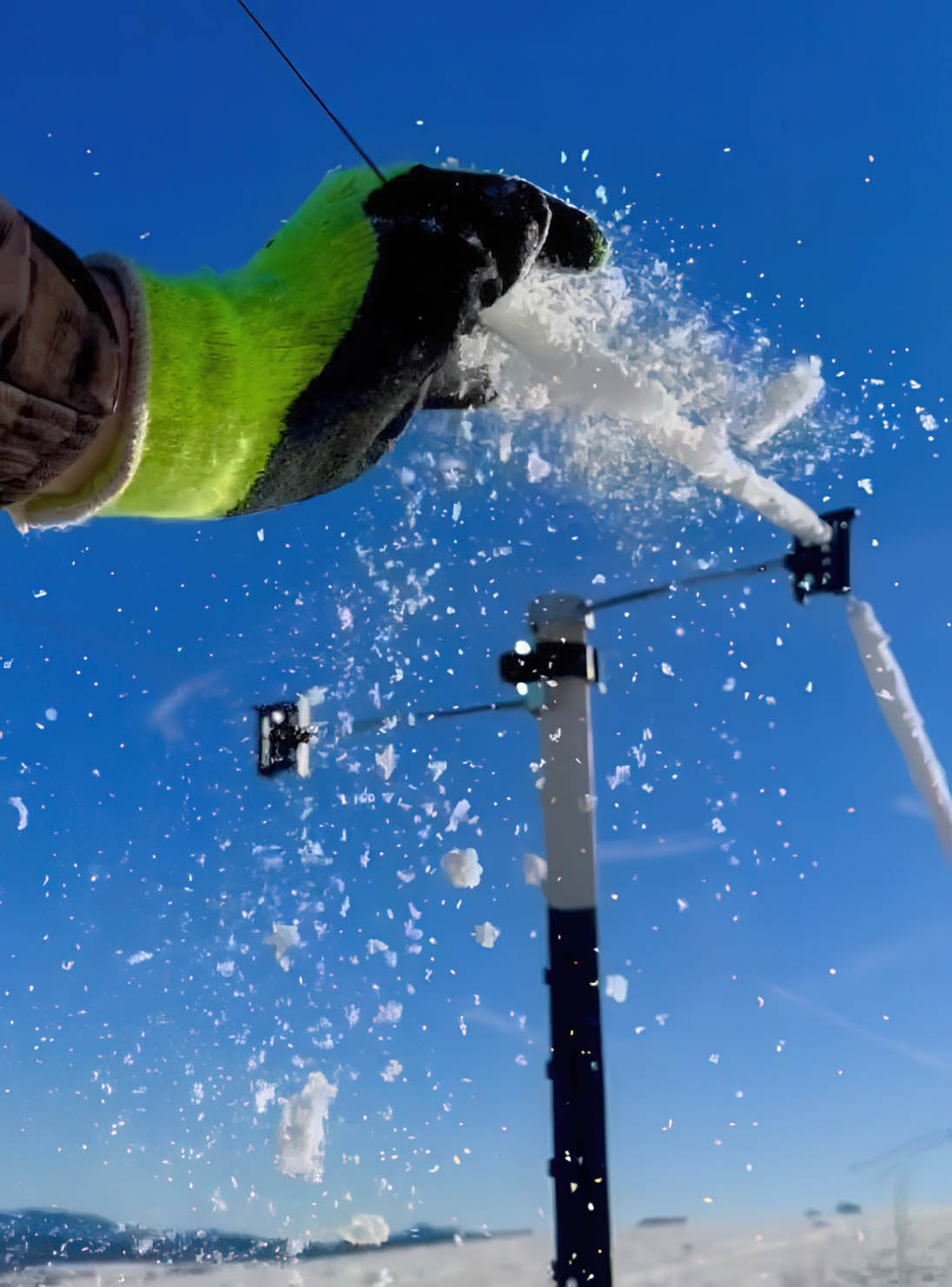
Over the last few days, as far as the cold weather has allowed, I have set up a temporary solution for my AziLoop antenna. It is far from being correctly installed, but you can hear something with it. Perhaps I will be able to erect the new Spiderbeam mast in February.
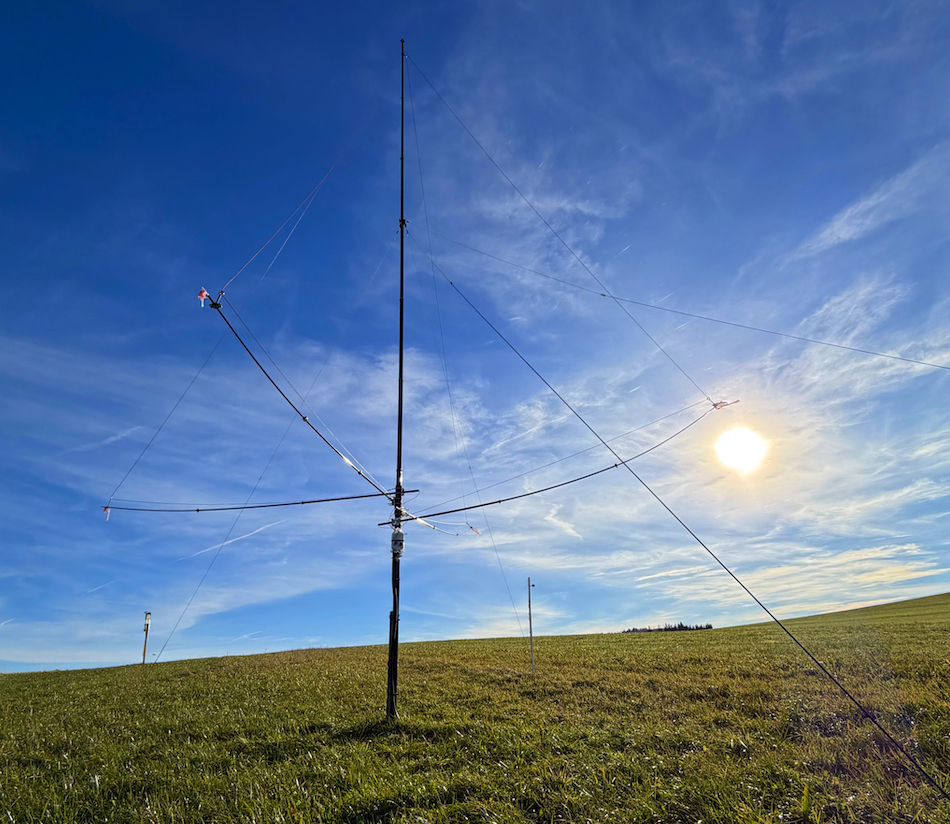
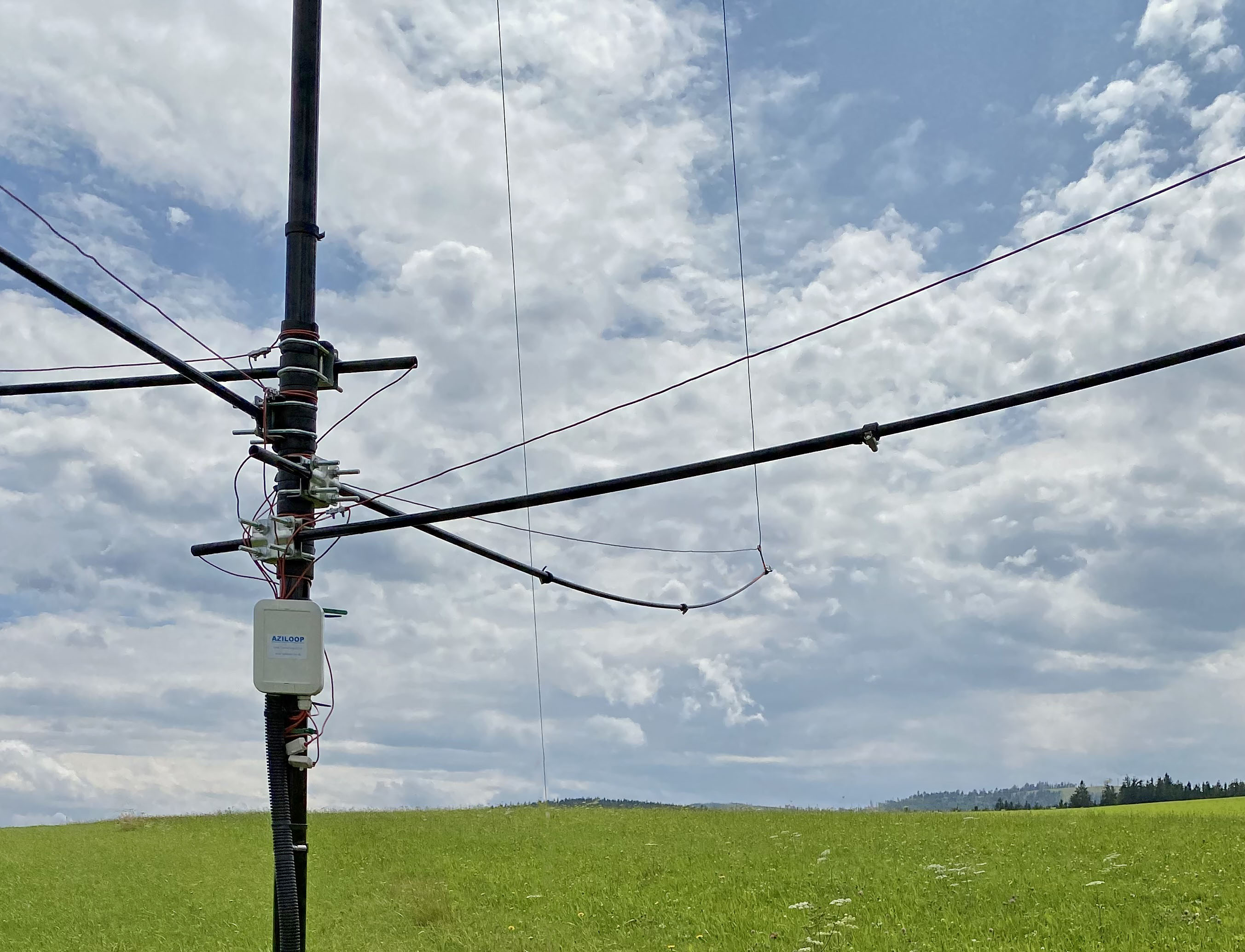
Checking the AziLoop antenna. Everything looks very good, one boom has twisted slightly, but the 10° difference will not be heard by the good SWL. Let’s hope for better radio weather!
Today, antenna inspection on the 200-metre Beverage. Everything is ‘as new’ and has been receiving signals without any problems for two years. Thanks to Jan Šustr for his excellent Beverage boxes. https://hamparts.shop/beverages/
My AziLoop antenna system brings me great joy every day. Especially now in October, when the summer storms are over, the first Asian signals in the mediumwave band from China and India can already be received at around 15:30 UT, i.e. one hour (!) before sunset at my location. At this time of day, there are no interfering signals from Europe, so it is particularly worthwhile searching for stations from Asia.
After the first month with my AziLoop, I can draw a good conclusion: The antenna has excellent reception, the signals (in the 335°/145° direction) are almost identical to my 200 meter Beverage antenna. In rain and storms, the AziLoop is – due to its smaller surface ? – is less susceptible to discharge and the signals are quieter. The first signals from India can be heard in the early evening, the band is here in Salzburg still almost empty around 1715 UT, but the still quiet signals from India can be heard. In the early morning, stations from Argentina can still be heard almost every day. After switching to North America, the stations can be received identically to the 200 meter Beverage, and the switching between the two antennas in the same direction is not visible in the spectrum. I use the AziLoop preamplifier permanently and could not detect any interference from the amplification. The “app” with its extensive switching options (direction, time, Preamp, Load,) works without any problems. A time-controlled switch-on and switch-off option for the entire electronics would be desirable, so that the switched-off and earthed antenna switches itself on at 16 UT, for example, then “works through” the set directions, as it already works perfectly now, and then switches itself off again completely in the morning. After that, only the small server would be running, which requires very little power. But all in all: a really good combination of hardware and software.
Yesterday, I found a very useful mobile phone app for the thunderstorm season. ‘BlitzortungLive’ is from the operators of the excellent website Blitzortung.org. The advantage over the website is that there are no adverts and you can select the approximate (antenna) location on the map and specify whether you want to receive a ‘push alarm’, i.e. a notification about thunderstorms. You can even select different radii around your location. The app then displays the lightning strikes and, even if you don’t check it every hour, you will immediately receive a notification on your phone when a thunderstorm is approaching within the desired radius around your location. This gives you enough time to react and unplug your antennas, if you don’t switch them off or unplug them anyway in summer when they are not in use.




 remotedx