My AziLoop antenna system brings me great joy every day. Especially now in October, when the summer storms are over, the first Asian signals in the mediumwave band from China and India can already be received at around 15:30 UT, i.e. one hour (!) before sunset at my location. At this time of day, there are no interfering signals from Europe, so it is particularly worthwhile searching for stations from Asia.
After the first month with my AziLoop, I can draw a good conclusion: The antenna has excellent reception, the signals (in the 335°/145° direction) are almost identical to my 200 meter Beverage antenna. In rain and storms, the AziLoop is – due to its smaller surface ? – is less susceptible to discharge and the signals are quieter. The first signals from India can be heard in the early evening, the band is here in Salzburg still almost empty around 1715 UT, but the still quiet signals from India can be heard. In the early morning, stations from Argentina can still be heard almost every day. After switching to North America, the stations can be received identically to the 200 meter Beverage, and the switching between the two antennas in the same direction is not visible in the spectrum. I use the AziLoop preamplifier permanently and could not detect any interference from the amplification. The “app” with its extensive switching options (direction, time, Preamp, Load,) works without any problems. A time-controlled switch-on and switch-off option for the entire electronics would be desirable, so that the switched-off and earthed antenna switches itself on at 16 UT, for example, then “works through” the set directions, as it already works perfectly now, and then switches itself off again completely in the morning. After that, only the small server would be running, which requires very little power. But all in all: a really good combination of hardware and software.
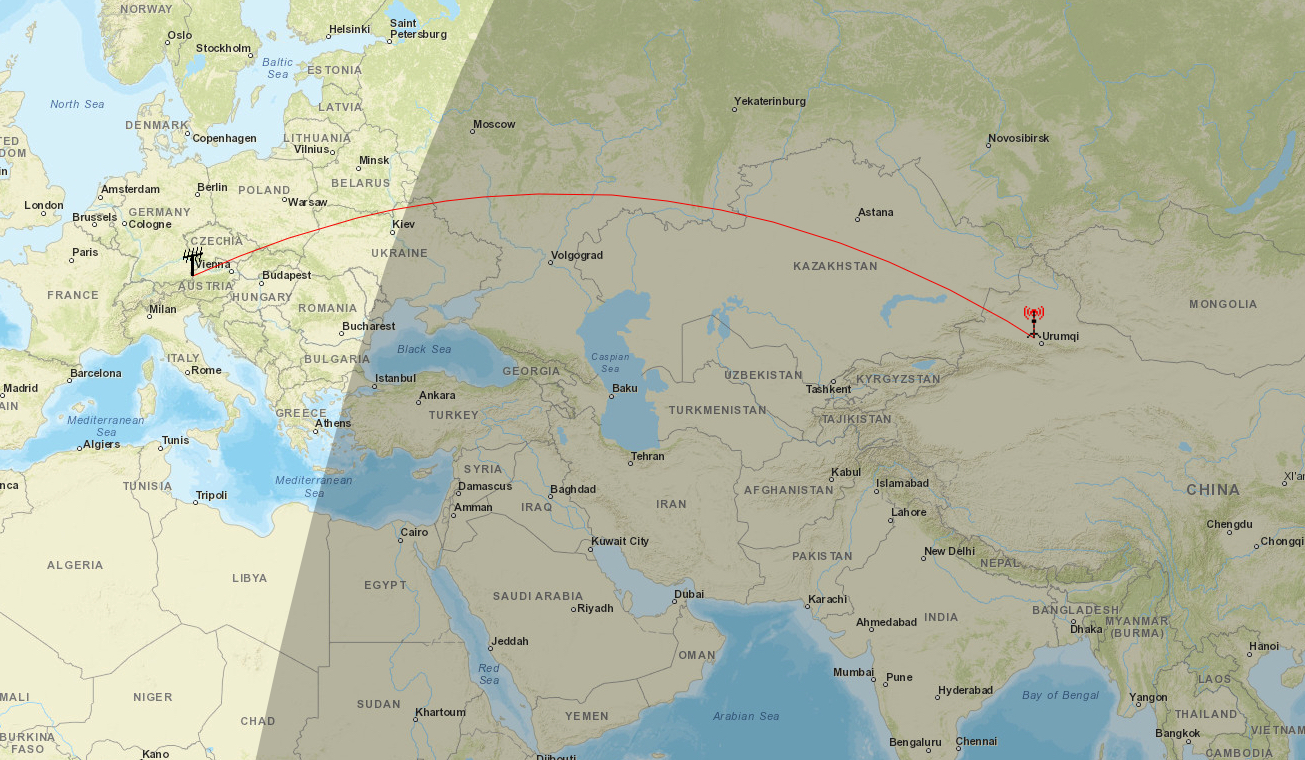
The strong Chinese CRI station from Hutubi can already be heard clearly in Salzburg on medium wave 1521 kHz an hour before sunset (17 UT). AziLoop 40°, another fine example of the performance of this antenna.
A great example of how well my new AziLoop antenna works: Yesterday, 17.8. 2025, I was able to listen to Radio Rafaela, a 2 kW station in the city of the same name in the province of Santa Fe in Argentina, on 1470 kHz. The station confirmed my reception today with a very friendly email. Thanks, Tomas!
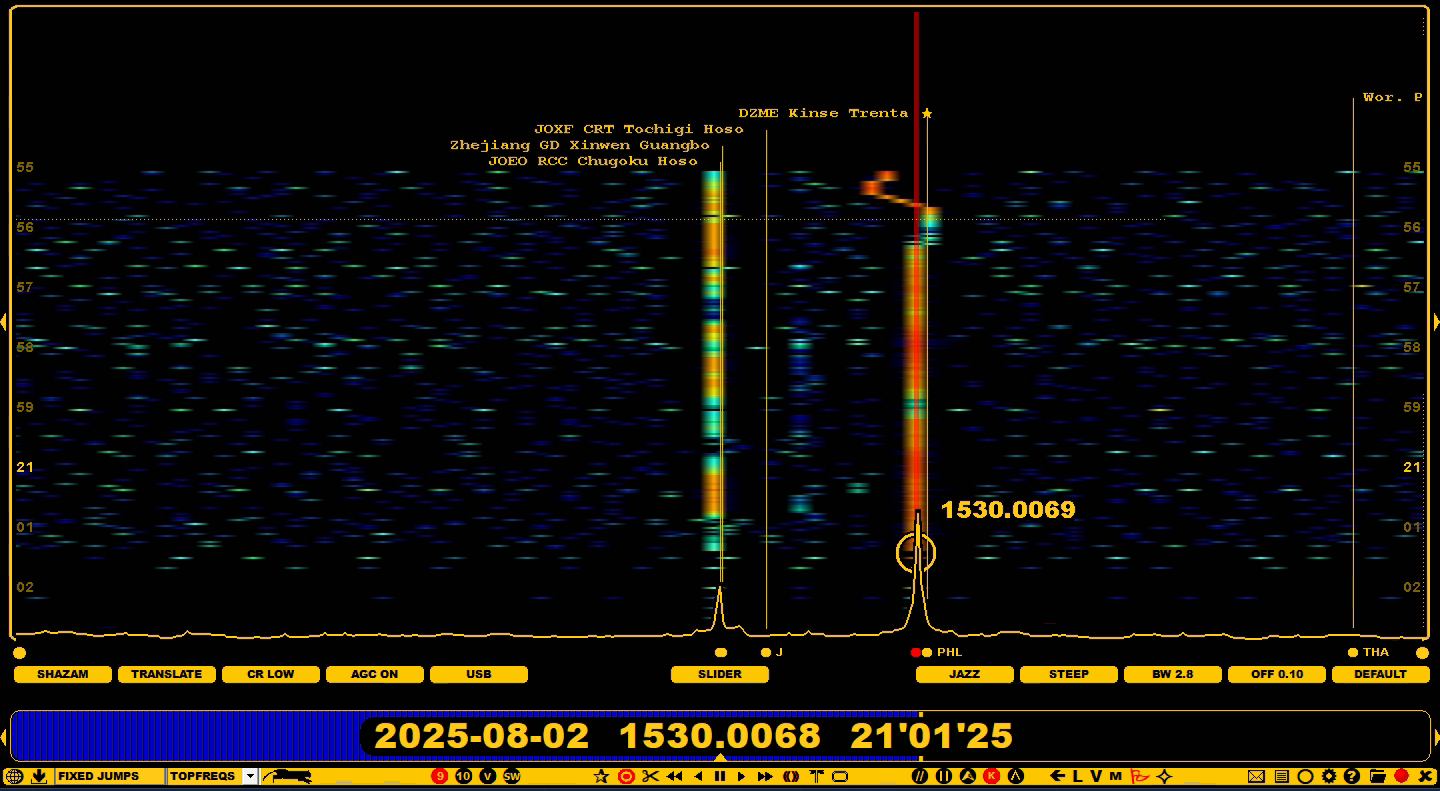
Since yesterday, many stations from Romania are no longer broadcasting at night, which opens up some great possibilities. Especially if you have an antenna that can be rotated 360°. AziLoop rotated to 65 degrees. Here is a picture of the start of DZME‘s broadcast in the Philippines on mediumwave 1530 kHz at 2055 UT. The station starts its morning broadcast on Saturday and Sunday at 2100 UT. What a delight!
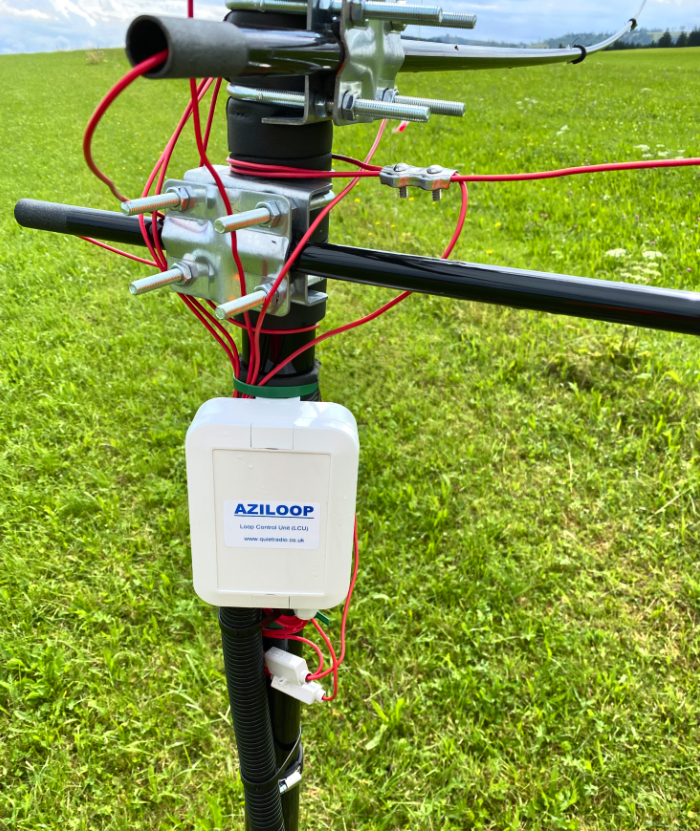
I have now finished setting up the AziLoop antenna. The coaxial cable was laid in a hose and additionally equipped with a series of 31 ferrite cores. The guy ropes were fitted with carabiners at the ground anchors. I checked all the screws again, but even the first strong storm last week did not cause any mechanical changes. Now the fun with the antenna can begin. Thanks to Aziloop creator Dave Evans, GW4GTE, for the surprising concept, the good hardware, and the successful and practical implementation and further development of the software.
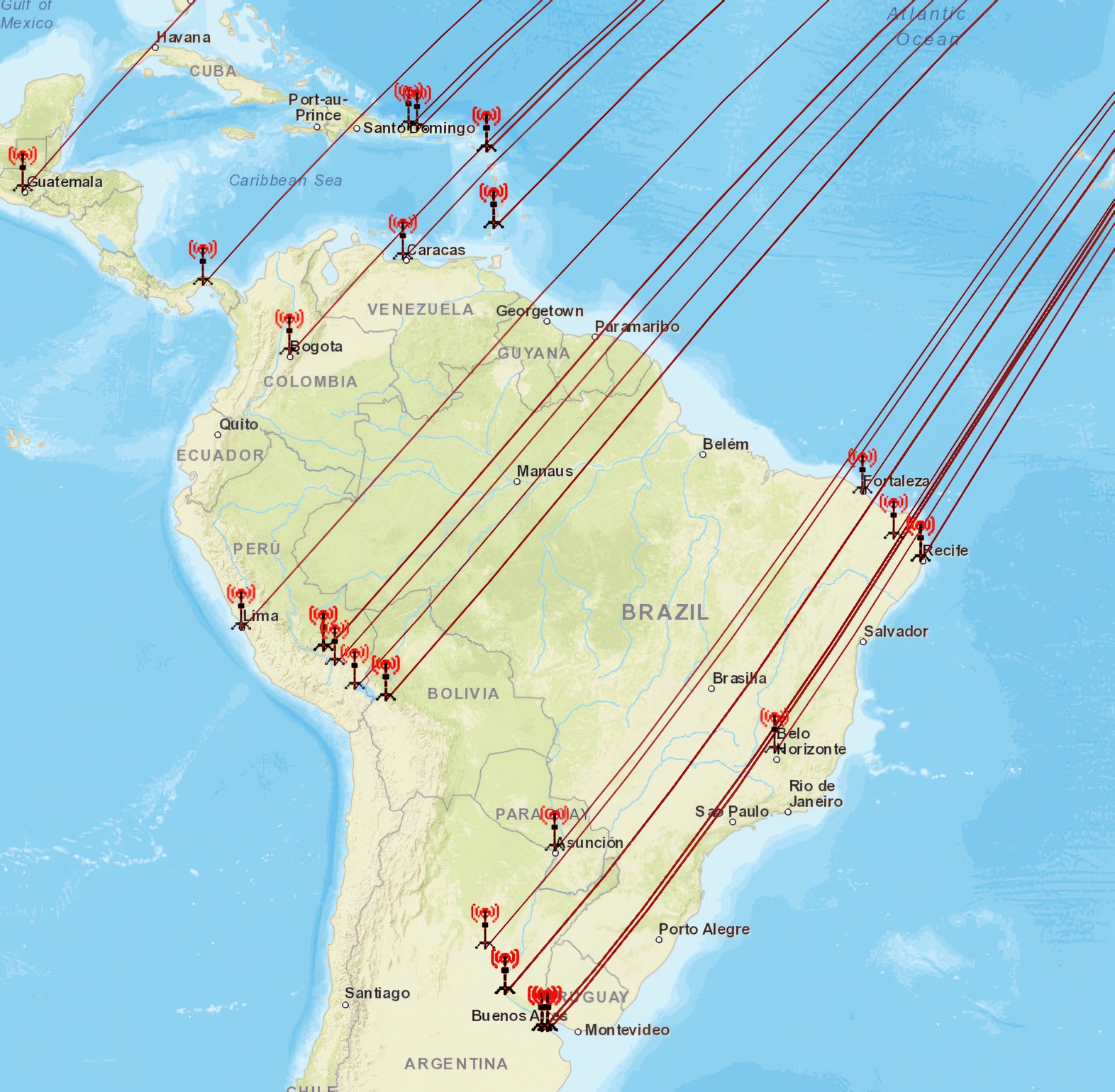
The logs from the first week of mediumwave reception from South America with the new AziLoop antenna. Reception direction 255°, load 550 Ω, preamplifier on. Perseus SDR, Jaguar v11 Software. The best reception window in Salzburg is around 23.30 – 01.30 UT.
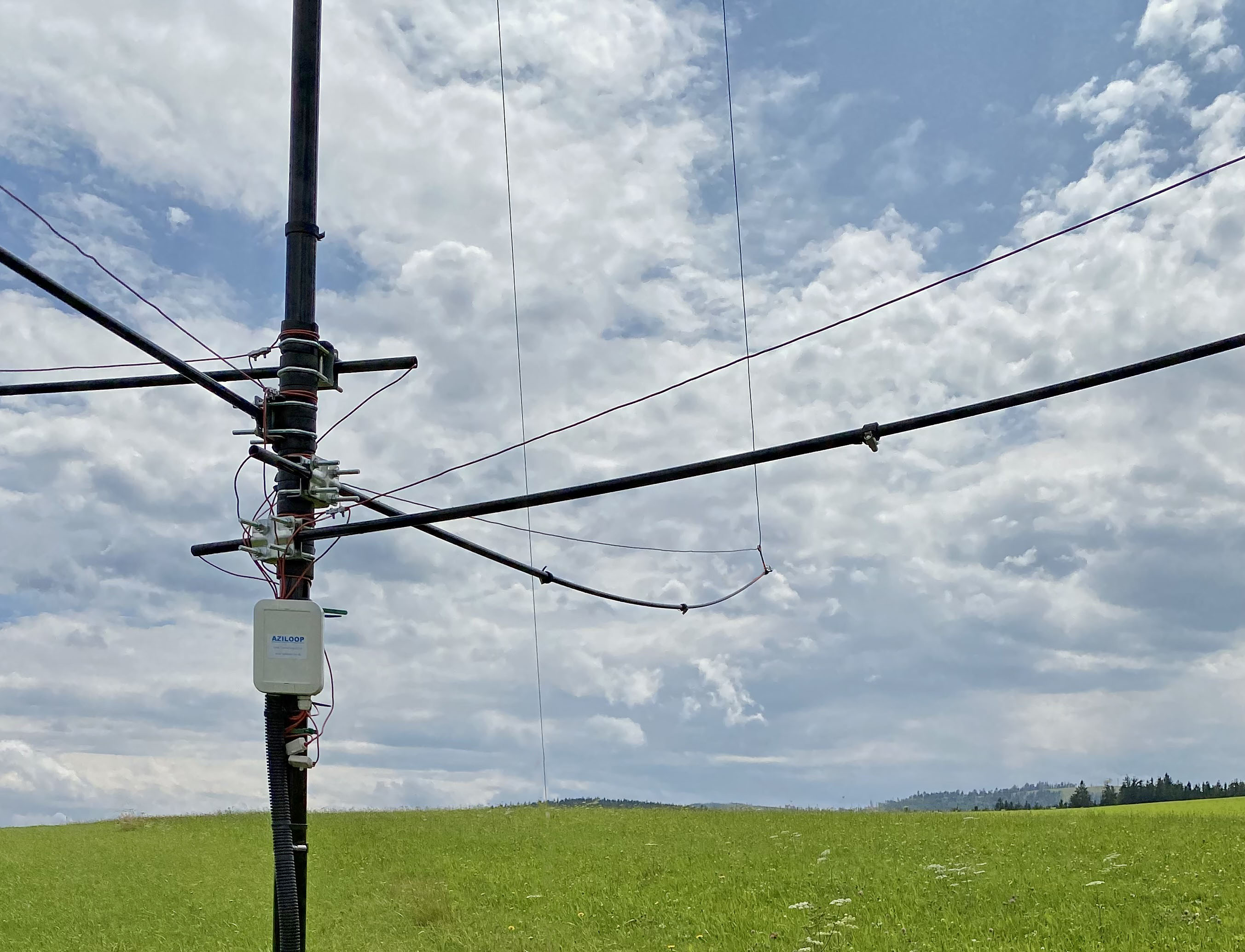
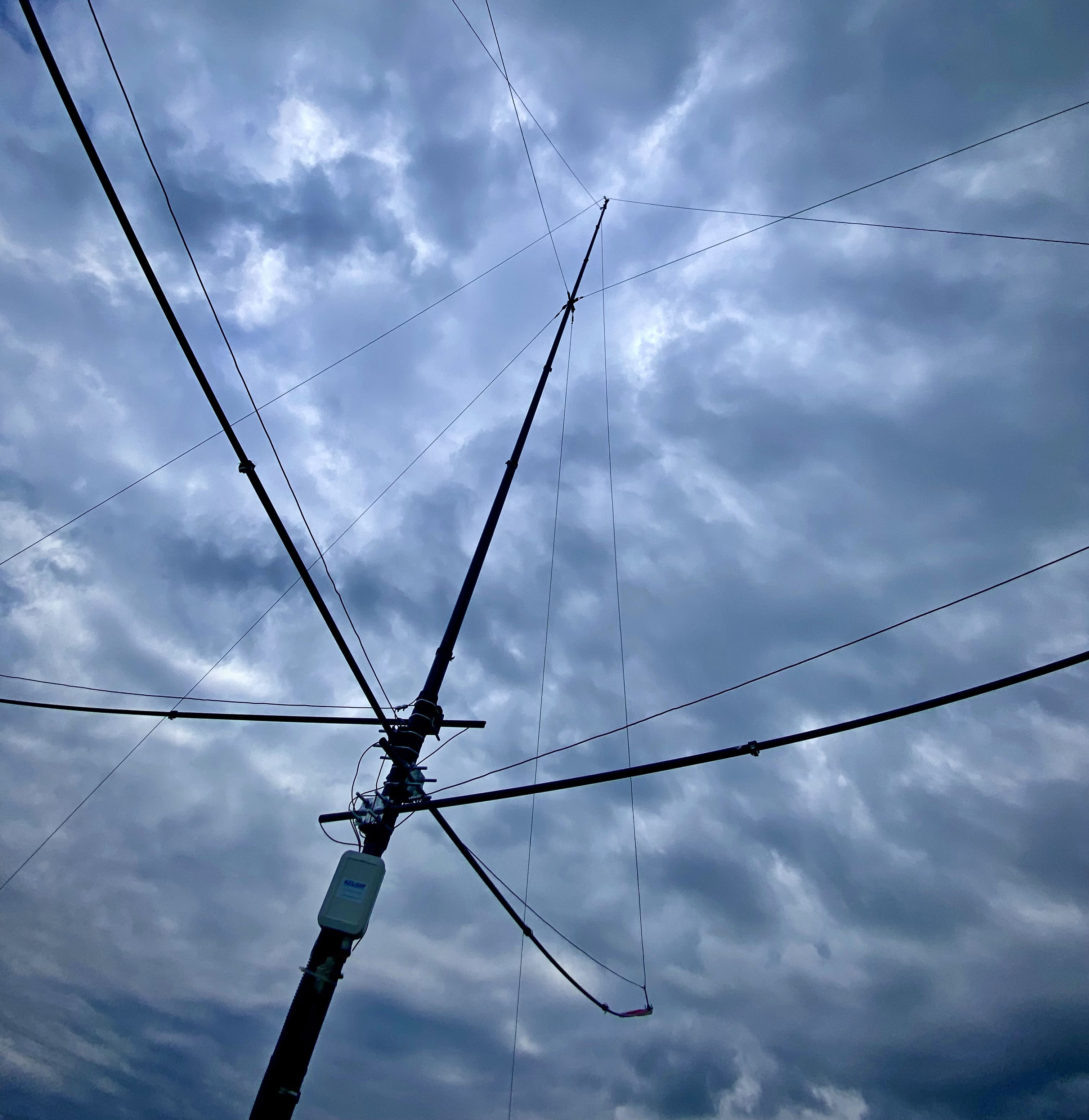
Here is my fully assembled AziLoop antenna. Mast height 8 meters. Boom tubes 3 meters each. Boom tubes at a height of 1.8 meters so that animals and people do not trip over them and the antenna is at least 1 meter above the snow in winter. The circumference of the two loops is a generous 20 meters for mediumwave reception. The antenna is guyed at a height of 5 meters with spiral ground anchors. The 150 metres 75-ohm copper coaxial cable to the station is laid underground.






 remotedx