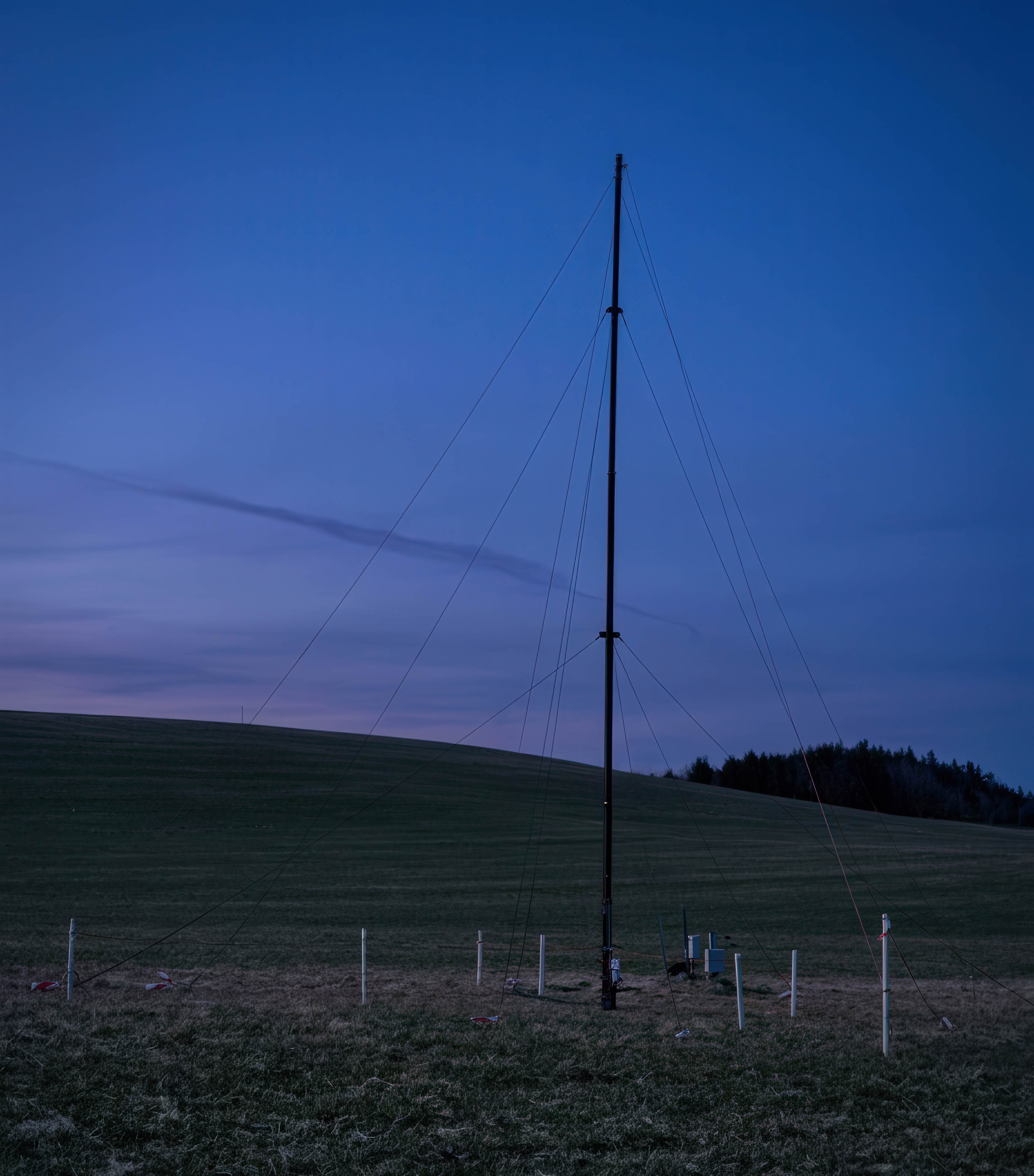
A few square metres of space, an area as free from local noise as possible – that’s all the AziLoop system needs.
A few square metres of space, an area as free from local noise as possible – that’s all the AziLoop system needs.
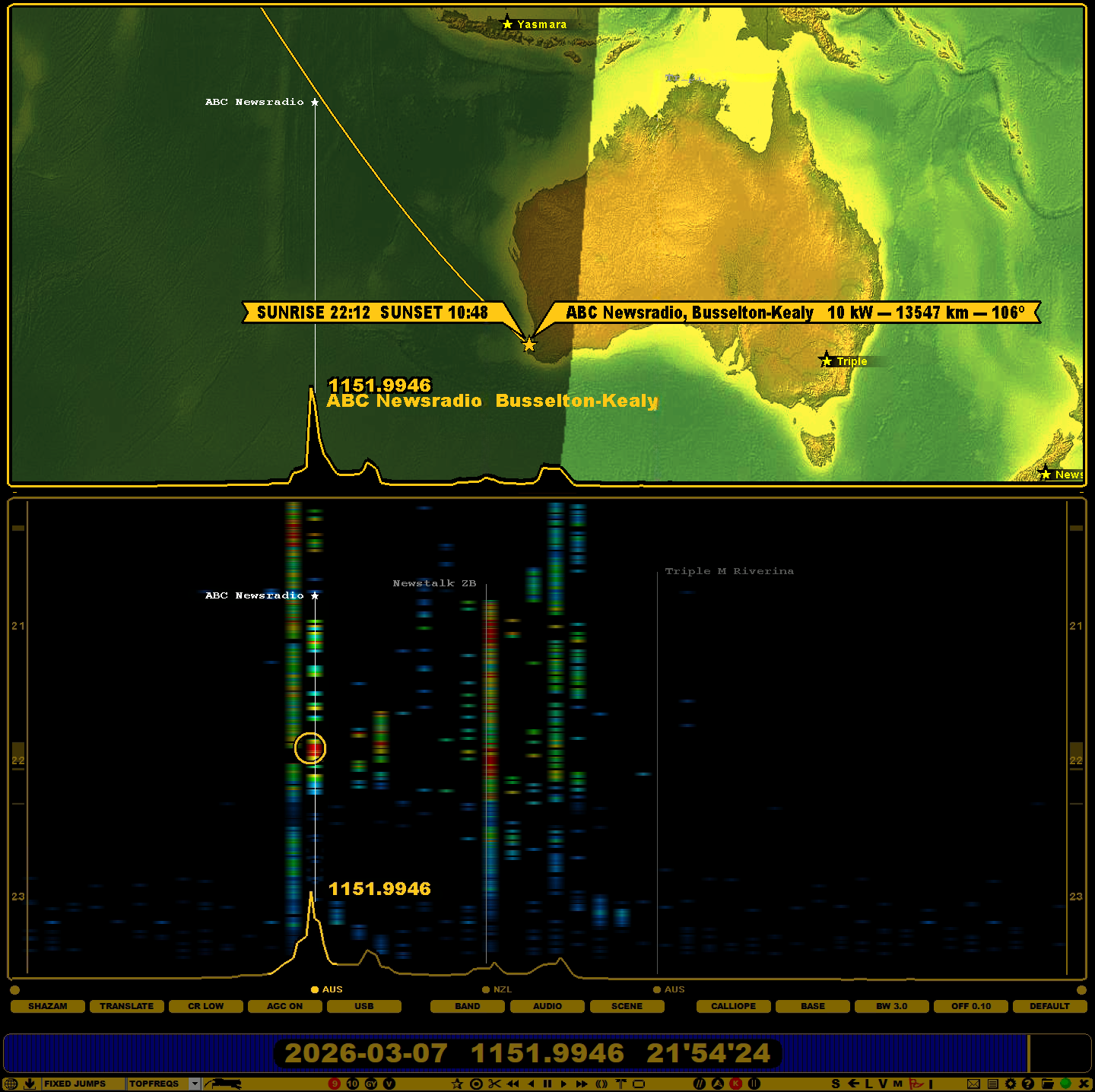
ABC Newsradio from Busselton on the Australian west coast, 13,547 km away – about 220 kilometres south of Perth – could be heard again yesterday evening at around 22:00 UT on medium wave 1152 kHz in Salzburg. Caution is advised when receiving the signal, as a small station from Taipei, Taiwan, can usually be heard on exactly the same frequency (1151.994) from 20:00 UT onwards.
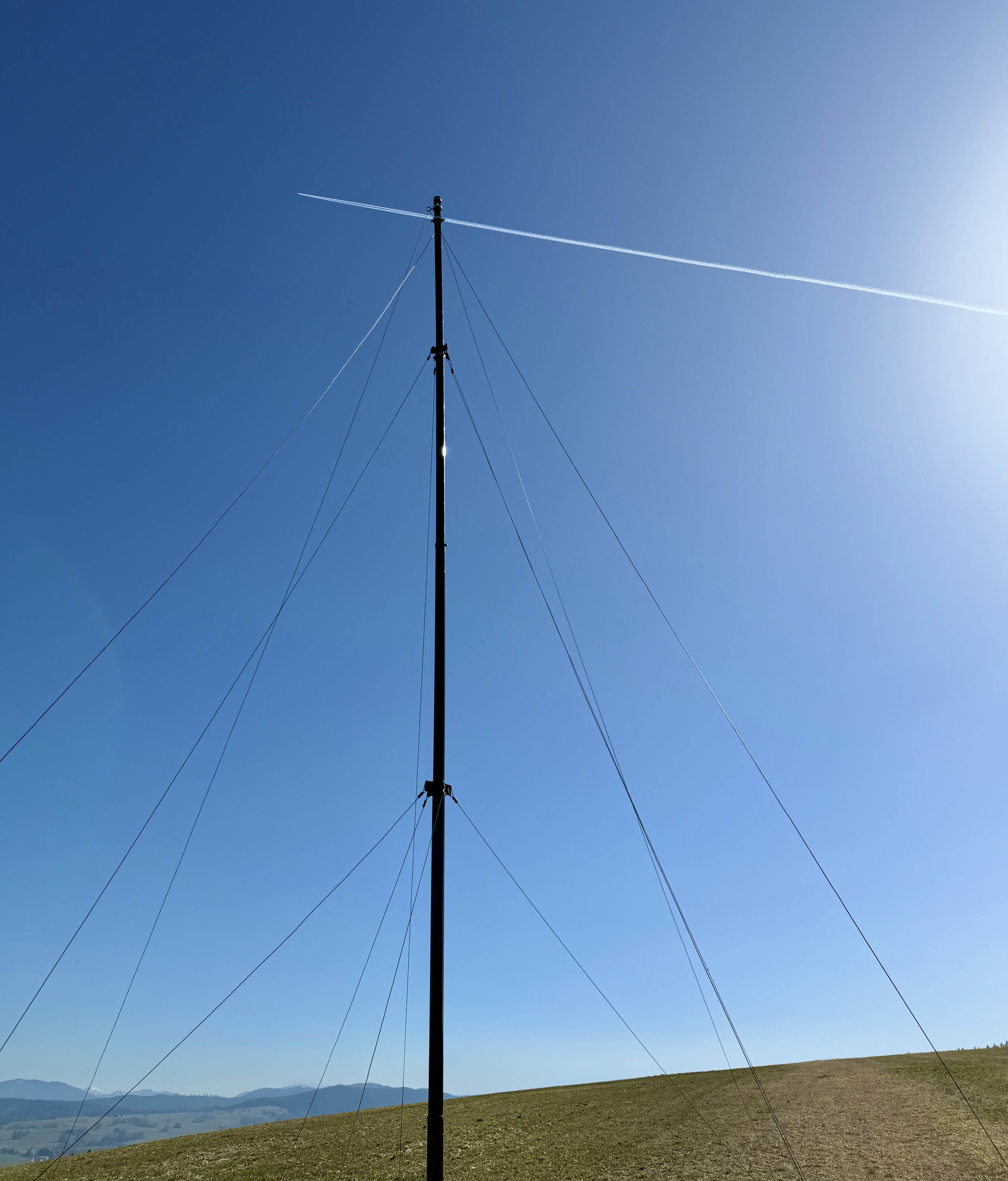
The new AziLoop system is now fully installed. Mast height 7.5 metres, loop circumference 26 metres each. The antenna not only receives excellent medium wave signals from all directions, it is also perfectly remote-controllable and the best antenna I have at my location.
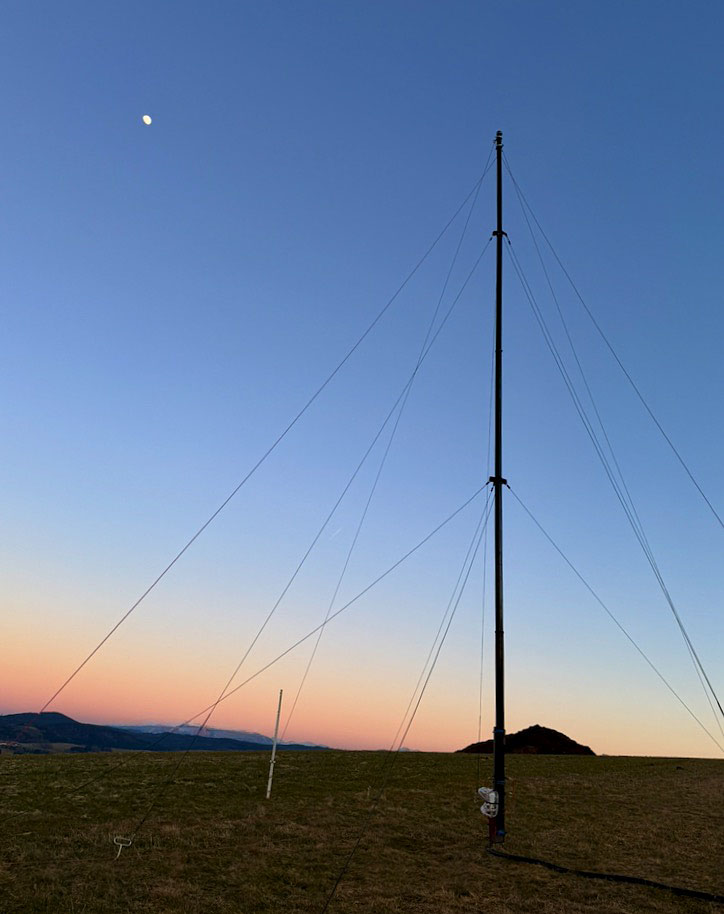
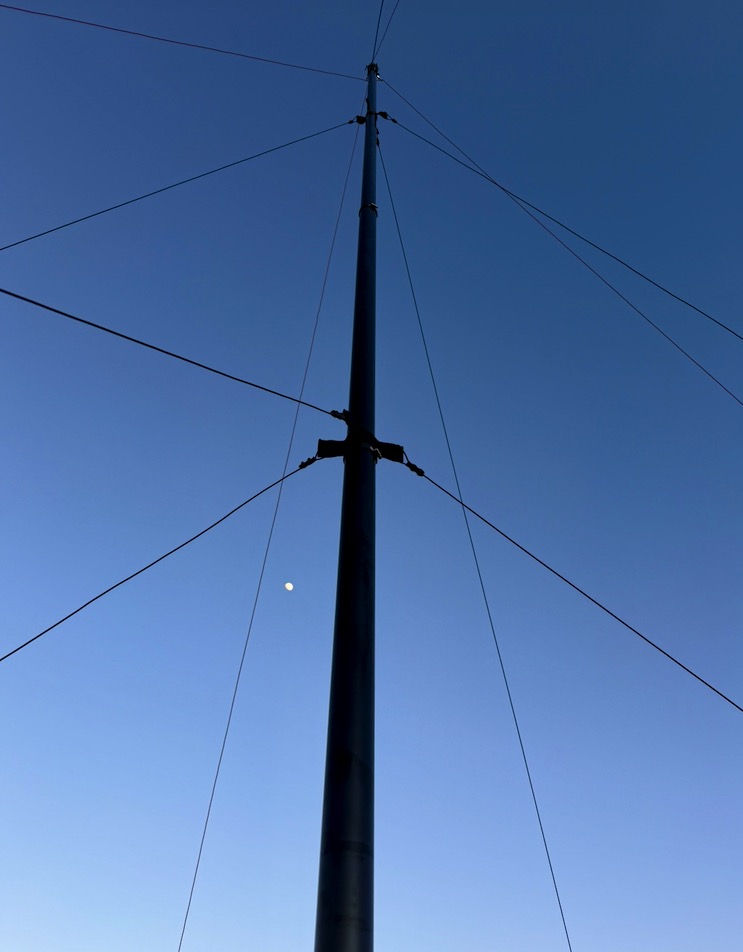
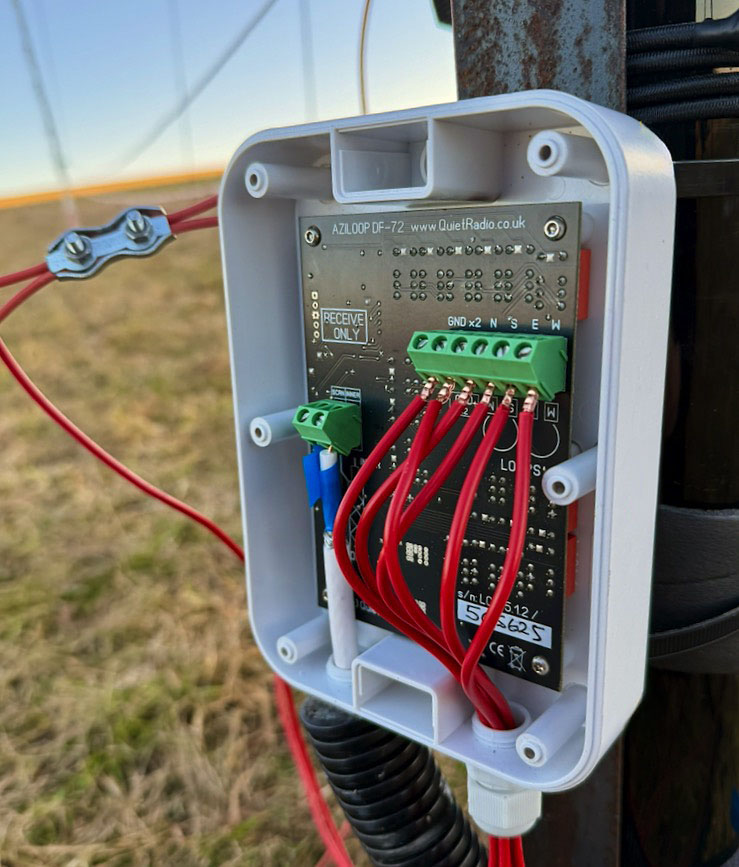
Today, I was finally able to replace the Spiderbeam mast that broke during the ice storm on 24 December. Now, another Spiderbeam mast is back in use, again 7.5 metres high, but with even more solid elements and now double guying. Furthermore, I am dispensing with the outriggers; the loops are tensioned to the ground, so the loops of the AziLoop system are even better at 2x 26 metres.
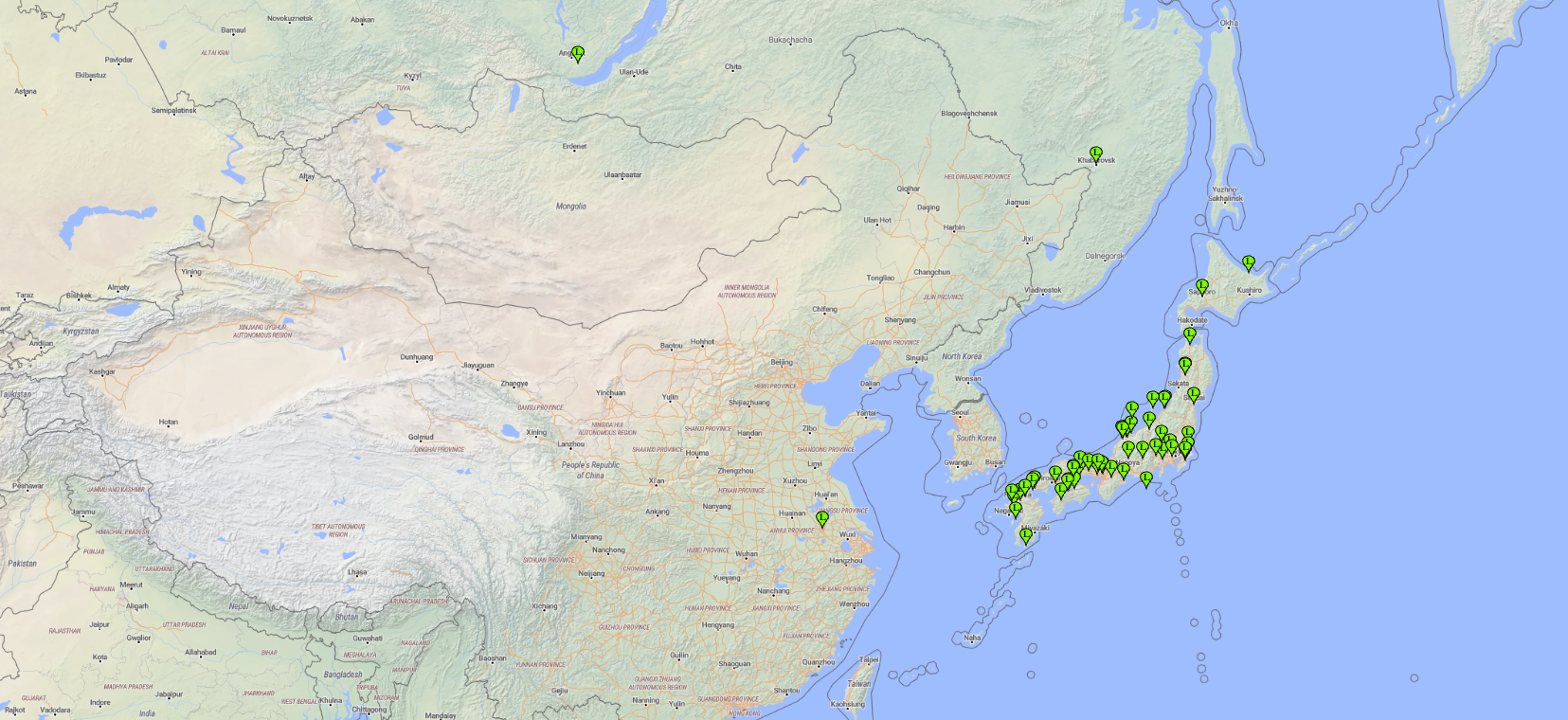
Yesterday evening, February 19, 2026, I was able to receive 45 stations from Japan on the 160-meter amateurradio band, i.e. on 1.8 MHz in FT8 mode here in Salzburg. I used my AziLoop antenna, direction 60°, and a fully automatic Web-888 SDR from Hamparts_shop as the receiver, which forwards the logs directly to PSK Reporter.
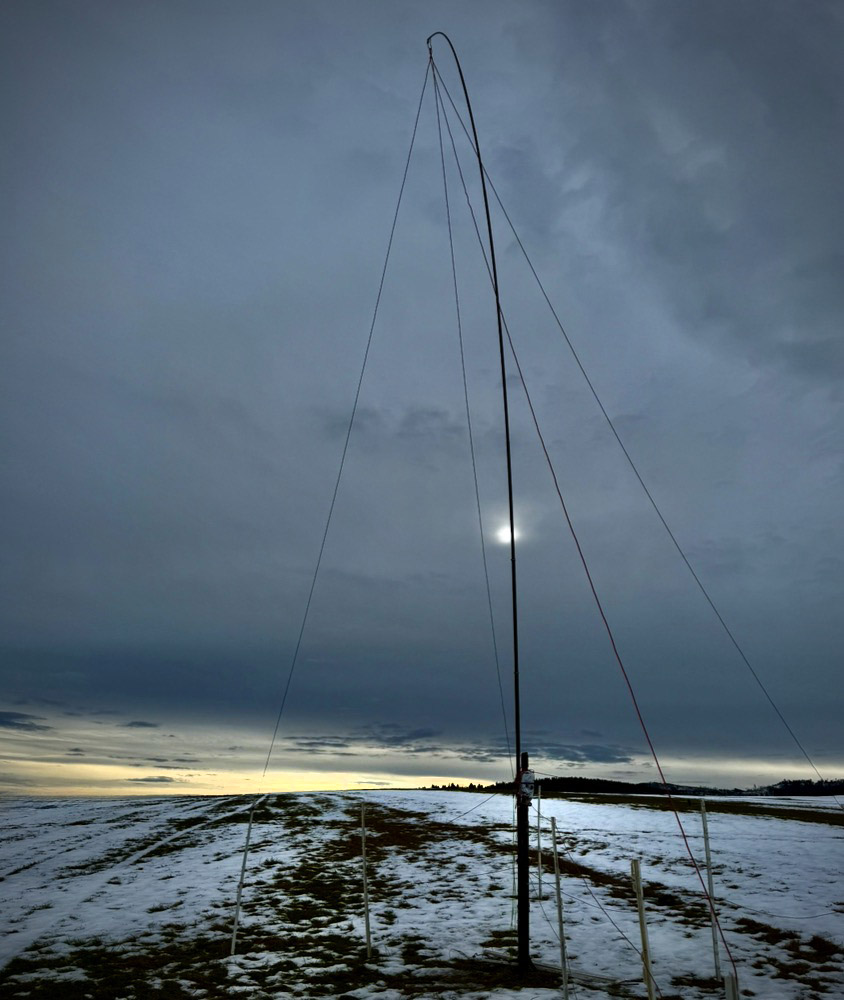
After the ice storm and the broken Spiderbeam mast on 24 December, the AziLoop antenna has now been provisionally set up so that I can hear something over the next few weeks until the snow and ice have melted. I am continuing to use the 20-metre loops, but these are far from optimally tensioned, although they do pick up some signals. I hope to erect the new mast, which is already pre-assembled at the station, by the beginning of March.

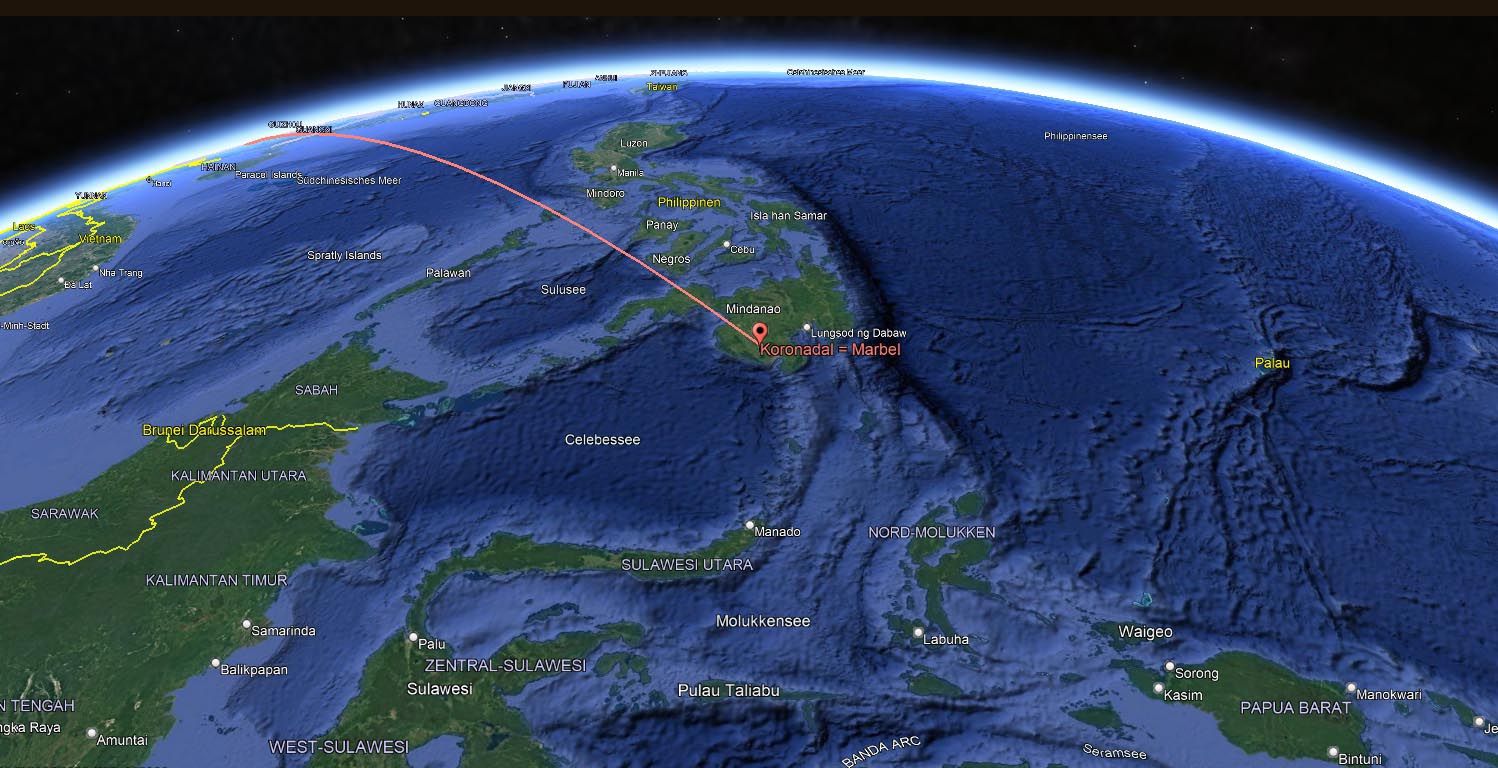

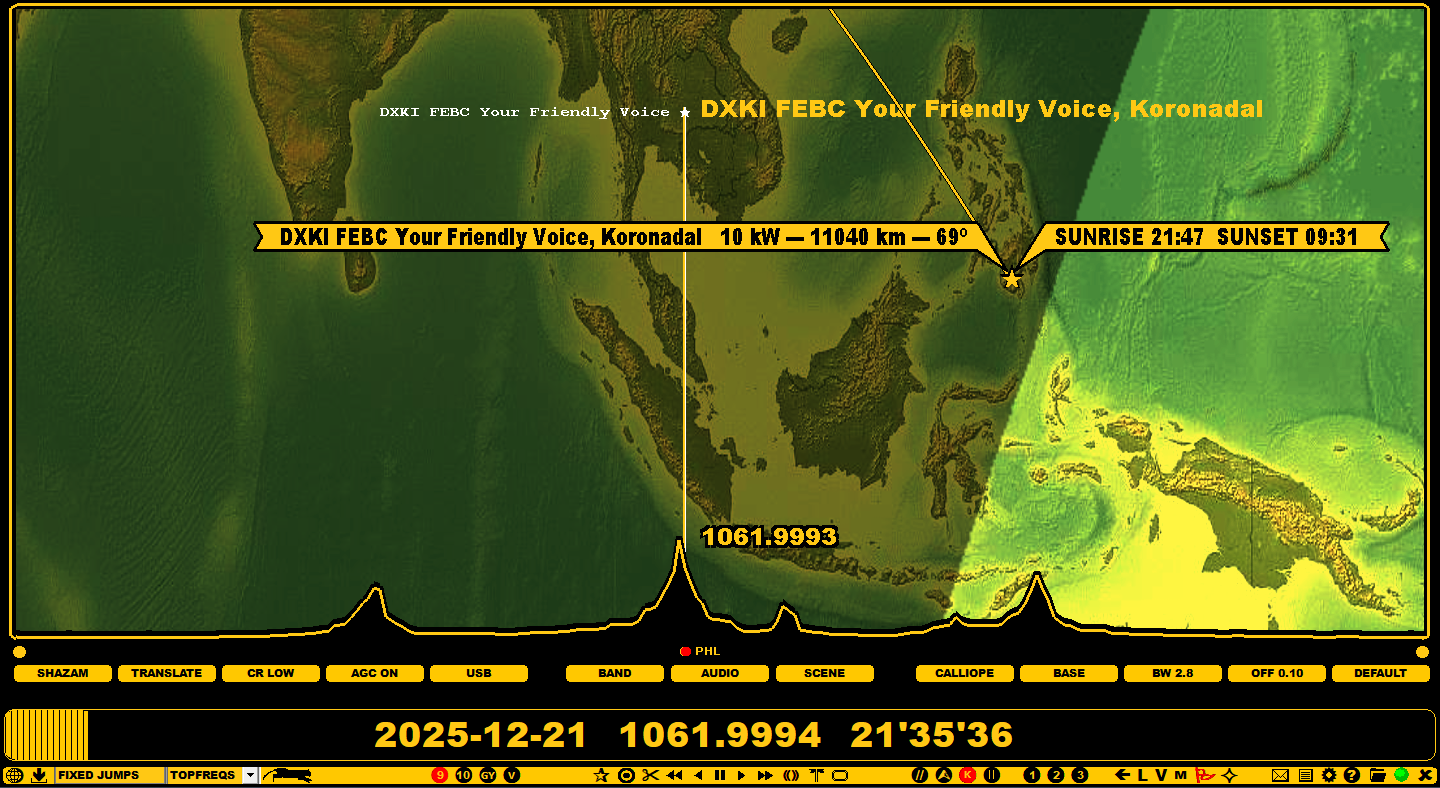
I was able to hear DXKI-AM, “Your friendly Voice“, here in Salzburg at around 21:30 UT on 1062 kHz in December. The station in Koronadal confirmed reception to me today: “Thank you so much po sa pakikinig Bro. Chris. Yes tama po kayo na yan po ang programa namin dito sa 1062 DXKI po Koronadal here on the Philippines“. My first medium wave confirmation from the island of Mindanao on the Celebes Sea, which I am very happy about. Perseus/Jaguar and AziLoop antenna – three days before the mast broke – a fond memory.

Gaweylon Tibetan Radio always plays beautiful music from Tibet and has one of the most beautiful QSL letters of any shortwave station. Many thanks to Anil R. Alfred for the confirmation.
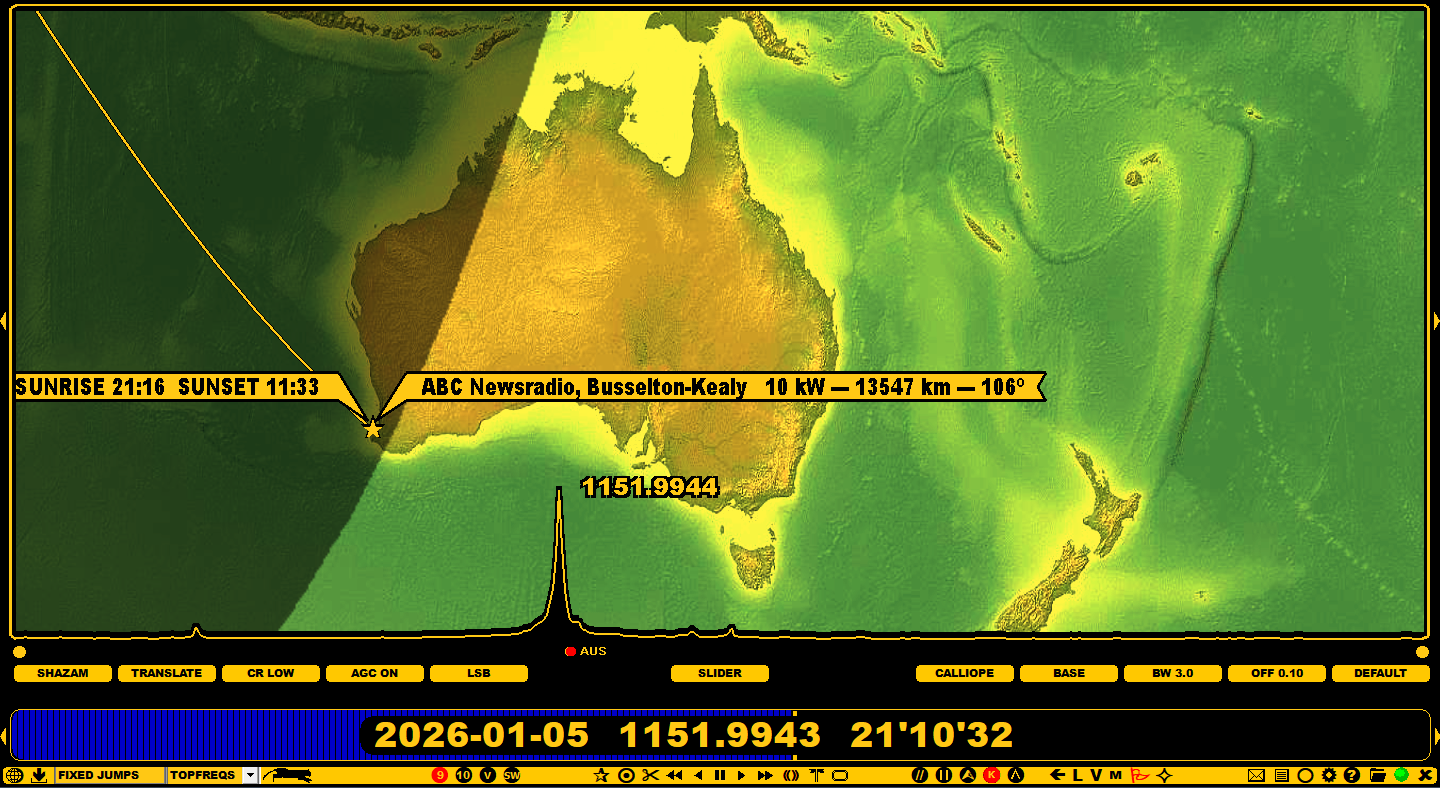
At the beginning of January 2026, I was able to hear ABC News Radio, 6PB from Busselton, on the now free frequency 1152 kHz in Salzburg. To my surprise, the signal was not only audible for minutes, but Jaguar’s good spectrum image is of course a great help with such weak signals. Graham Himmelhoch-Mutton, ABC Master Control Radio, very kindly confirmed reception, my third QSL from an Australian ABC station that I was able to receive in Salzburg.
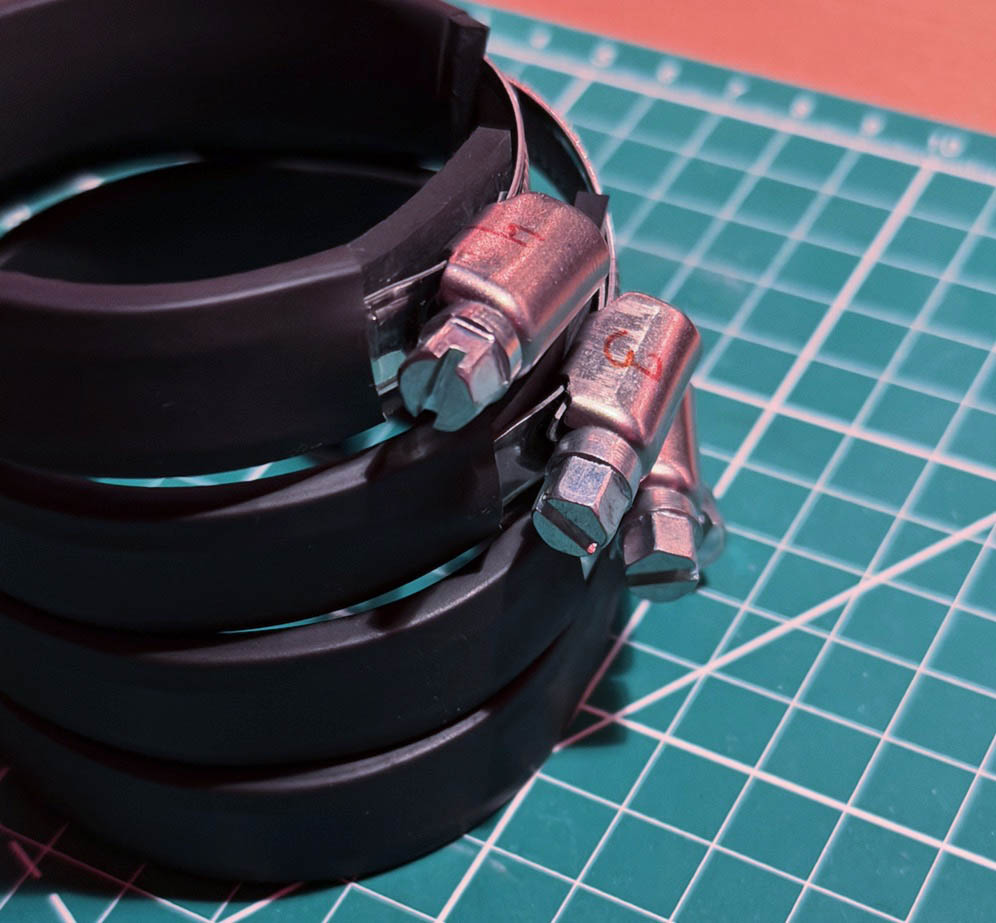
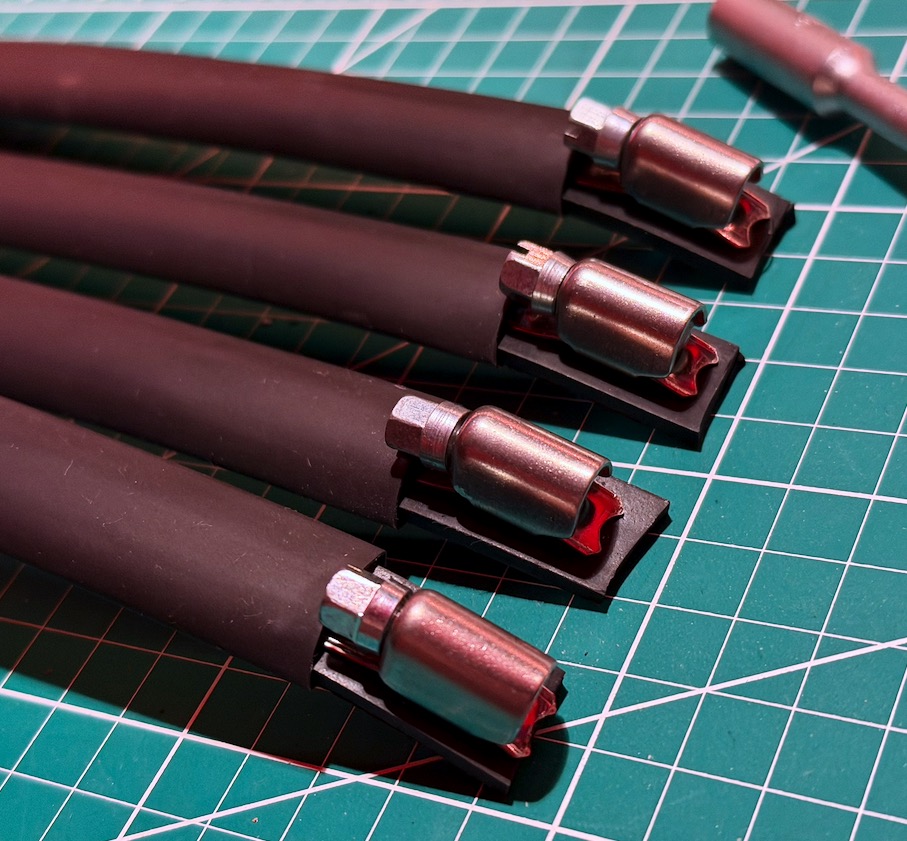
Work on the “new” AziLoop antenna continues. The clamps to hold the individual elements of the now much more stable Spiderbeam mast are ready.
 remotedx